When Bharatanatyam Went Underwater: The Young Dancer Turning Art into an Ocean-Saving Mission
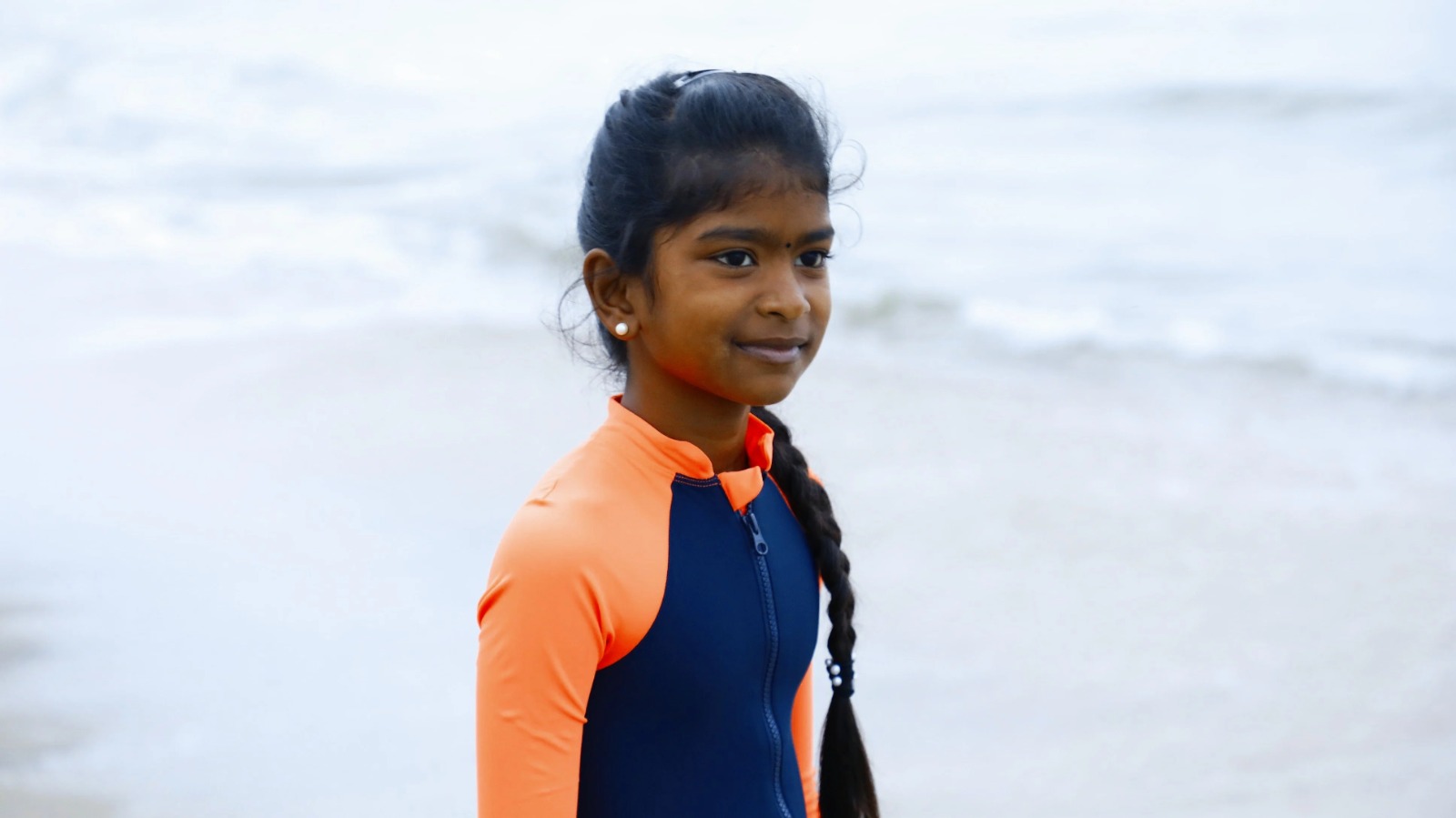
Thaaragai Aarathana is not performing merely for applause. Through Bharatanatyam, scuba diving and ocean clean-ups, the young Chennai student is using her talents to speak for a sea that cannot speak for itself.
A Stage 20 Feet Beneath the Sea
Imagine a Bharatanatyam performance with no stage, no auditorium and no music.
Instead, there is the deep blue sea.
At nearly 20 feet underwater, young dancer and ocean advocate Thaaragai Aarathana performed Bharatanatyam in full traditional costume to send a simple but urgent message: stop dumping plastic into the ocean. The unusual performance, filmed near Rameswaram, brought together India's classical dance tradition and the growing global concern over marine plastic pollution.
The performance was remarkable not simply because of its setting. Beneath the surface, Thaaragai had to communicate entirely through movement, facial expression and mudras, turning a classical art form into a wordless environmental appeal.
Meet Thaaragai Aarathana
Name: Thaaragai Aarathana
Age: 12
From: Chennai
School level: Class VII student
Known for: Bharatanatyam, swimming, scuba diving and marine conservation
Unique achievement: Bharatanatyam performance nearly 20 feet underwater
Environmental mission: Raising awareness about plastic pollution and protecting marine life
Recent conservation work: Participating in underwater and beach clean-ups and helping remove thousands of kilograms of plastic waste from marine environments.
A Child Who Grew Up With the Ocean
For Thaaragai, the ocean has never been simply a holiday destination.
She was introduced to the sea as a very young child, began swimming at the age of two and started diving at five. Spending so much time underwater exposed her to both sides of the marine world—the extraordinary beauty of marine life and the disturbing amount of plastic waste beneath the surface.
Bottles, wrappers and discarded fishing nets became impossible for her to ignore.
Her interest gradually developed into action.
Instead of simply speaking about marine pollution, she began participating in clean-up efforts and awareness activities alongside her father, who is a professional diving instructor and marine enthusiast.
From Dance to Environmental Activism
Thaaragai's underwater Bharatanatyam performance was an innovative extension of that mission.
Bharatanatyam is traditionally associated with storytelling through carefully controlled movement, rhythm, gesture and expression. Thaaragai used those same elements in an entirely different environment.
There was no conventional stage.
There was no conventional soundtrack.
There was only the movement of a young dancer beneath the waves.
The performance therefore became more than a dance recital. It transformed Indian classical dance into a visual message about marine conservation.
The choice of Bharatanatyam was particularly powerful because the contrast itself captured attention: an ancient Indian art form appearing in the modern battle against one of the world's most serious environmental problems.
The Ocean Became Her Audience
A conventional environmental speech may reach an audience for a few minutes.
Thaaragai chose something different.
She made people look.
Images of an 11-year-old girl performing Bharatanatyam in traditional attire deep beneath the sea were striking enough to spread widely online. The performance attracted national attention and was praised for combining artistic creativity with environmental advocacy.
Her message was deliberately simple: plastic waste does not belong in the ocean.
The silence of the underwater performance arguably made that message even more powerful.
More Than One Underwater Performance
The Bharatanatyam performance is perhaps Thaaragai's most visually remarkable achievement, but it is only one part of her larger environmental journey.
Recent profiles describe her as an active young ocean conservationist who has participated in marine and beach clean-ups and helped remove thousands of kilograms of plastic waste and discarded fishing nets. She has also used swimming and diving as platforms to draw attention to marine pollution.
One of her notable challenges was swimming across the Palk Strait between India and Sri Lanka, using the feat to raise awareness about the need to protect marine ecosystems.
This makes her story different from that of a young performer who achieves one unusual record.
Thaaragai has turned her talent into a sustained cause.
When Young Talent Has a Purpose
Young talent is often celebrated through trophies, medals and competition victories.
Thaaragai offers another definition.
Her talent lies not only in her ability to dance or dive. It lies in her ability to connect the two and use them to communicate something larger than herself.
She has taken skills that might ordinarily belong to completely different worlds—classical dance, swimming, scuba diving and environmental activism—and brought them together around one cause.
That is what makes her story particularly relevant to today's young generation.
Why Her Story Matters
Plastic pollution is not an abstract environmental issue for Thaaragai.
She has seen its consequences underwater.
Discarded plastic and abandoned fishing nets can entangle marine animals, damage ecosystems and threaten species that depend on healthy oceans. Her conservation efforts have therefore grown from direct experience rather than simply from something learned in a textbook.
And that may be the most important lesson in her story.
Awareness becomes powerful when it leads to action.
A child can learn about pollution in a classroom.
But Thaaragai chose to enter the water, see the problem herself and find creative ways to make others notice it.
An Ancient Art, A Modern Message
Bharatanatyam has been used for centuries to tell stories through expression and movement.
Thaaragai has demonstrated that its storytelling power does not have to remain confined to a traditional stage.
By taking the dance underwater, she created an unusual meeting point between India's cultural heritage and a 21st-century environmental challenge.
Her performance asks a question without saying a word:
What kind of ocean will today's children inherit?
The Young Ocean Guardian
At 12, Thaaragai has already demonstrated that young people do not have to wait until adulthood to make their voices heard.
She swims.
She dives.
She dances.
And she cleans the ocean.
Her underwater Bharatanatyam performance may have been the moment that captured the public imagination, but the larger story is the commitment behind it.
The performance lasted only a few minutes.
The message is intended to last much longer.
From the dance stage to the ocean floor, Thaaragai Aarathana is proving that young talent can do more than entertain—it can inspire people to care, act and protect the world around them.