
International Schools in India: Curriculum, Benefits, and How to Choose the Right School
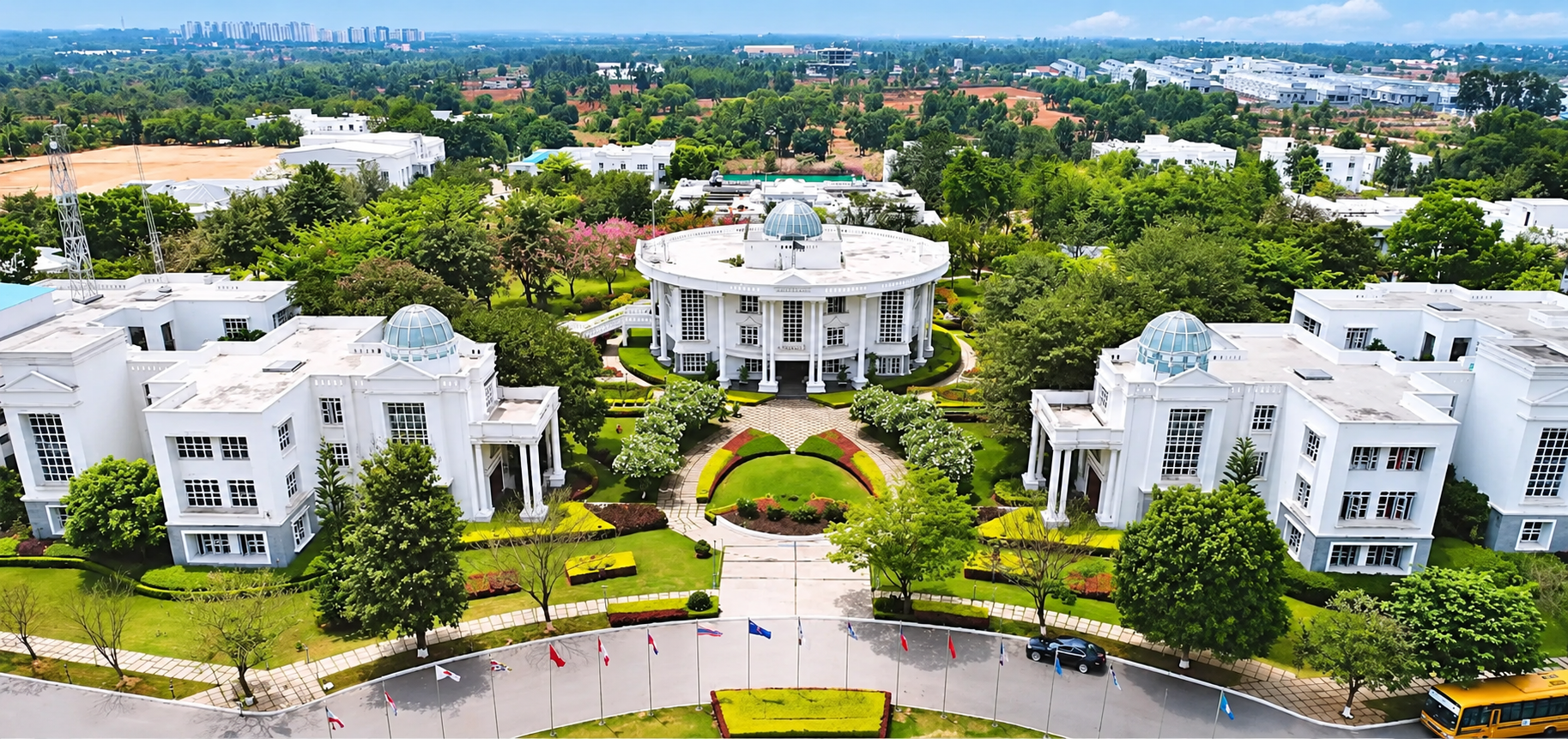
Image Credit: Indus International School, Bengaluru
Education in India is becoming increasingly diverse, with parents exploring different schooling options based on their children's interests, learning styles and future goals. International schools in India have become a popular choice for families looking for a broader approach to education with an emphasis on global exposure, modern teaching methods and skill development.
From international curricula to extracurricular activities and technology-enabled learning, these schools aim to provide students with an educational experience that goes beyond traditional classroom teaching.
What Is an International School?
An international school is a school that generally follows an international curriculum or provides an education designed with a global perspective. These schools may offer programmes such as the International Baccalaureate (IB), Cambridge International, or other recognised international curricula.
International schools may focus on:
Critical thinking and problem-solving
Inquiry-based and practical learning
Communication and collaboration
International awareness
Creativity and innovation
Independent learning
Extracurricular development
The exact curriculum and teaching approach can differ significantly from one international school to another.
Growth of International Schools in India
The demand for international schools in India has increased as more families seek diverse educational pathways for their children.
International schools can be found in major cities such as Mumbai, Bengaluru, Delhi, Chennai, Hyderabad, Pune and Gurugram, as well as in several other growing urban centres.
Some schools cater to families seeking an international curriculum from the primary years, while others offer international programmes at the secondary and pre-university levels.
Which Curricula Do International Schools Offer?
International schools in India may offer different curricula depending on the institution.
International Baccalaureate (IB)
The IB curriculum is known for inquiry-based and concept-driven learning. Its programmes include the Primary Years Programme, Middle Years Programme, Diploma Programme and Career-related Programme.
Cambridge International
Cambridge International programmes provide internationally recognised qualifications and offer subject choices at different stages of school education.
Other International Curricula
Some international schools may follow other international education frameworks or combine an international curriculum with Indian educational requirements.
Parents should always check the curriculum and accreditation of an individual school before making a decision.
Popular International Schools in India
India has several established international schools offering globally recognised curricula such as International Baccalaureate (IB) and Cambridge International. The programmes offered can vary by school, so parents should check the individual school's current curriculum and authorisation.
Dhirubhai Ambani International School, Mumbai
Dhirubhai Ambani International School (DAIS) in Mumbai is an established international school offering IB and Cambridge pathways. The school has been an IB World School since 2003.
Indus International School, Bengaluru
Indus International School, Bengaluru is an IB World School and offers multiple IB programmes. It has been part of the IB network since 2005.
Stonehill International School, Bengaluru
Stonehill International School in Bengaluru is an IB World School and offers the IB Diploma Programme among its authorised programmes. The school joined the IB network in 2010.
Bombay International School, Mumbai
Bombay International School is an IB World School in Mumbai. It has been authorised by the IB since 2011 and offers IB programmes for its students.
DPS International School, Saket
DPS International School, Saket, in Delhi, is another school associated with international education pathways. Cambridge International highlights the school among its Cambridge community in India.
What Makes International Schools Different?
One of the key differences between many international schools and conventional schools is their approach to learning.
Instead of focusing only on textbook-based instruction, students may participate in:
Research projects
Group activities
Presentations
Experiments
Discussions
Creative assignments
Real-world problem-solving activities
This approach can encourage students to become active participants in their education.
Benefits of International Schools in India
1. Global Learning Perspective
International schools often expose students to different cultures, ideas and global issues. This can help them develop a broader understanding of the world.
2. Focus on Critical Thinking
Students are encouraged to analyse information, ask questions and develop their own conclusions rather than simply memorising answers.
3. Practical and Experiential Learning
Projects, experiments and activities can help students connect academic concepts with real-world situations.
4. Strong Communication Skills
Presentations, teamwork and classroom discussions can help students develop written, verbal and interpersonal communication skills.
5. Technology-Enabled Learning
Many international schools incorporate digital tools, laboratories and modern learning resources into classroom activities.
6. Extracurricular Opportunities
Sports, music, performing arts, visual arts, clubs and other activities can form an important part of the student experience.
7. Preparation for Global Higher Education
Students interested in studying at universities outside India may find international curricula useful because they are designed with globally recognised qualifications and learning approaches.
International School vs Traditional School
The differences between schools depend on the individual institution, but some broad distinctions can be considered.
Feature | International School | Traditional Indian School |
Curriculum | Often international | Usually Indian curriculum |
Learning approach | Inquiry and application | Often syllabus-oriented |
Global exposure | Generally higher | Varies by school |
Project work | Often significant | Varies |
Subject flexibility | Can be higher | Depends on board and level |
Extracurricular activities | Often broad | Varies by school |
Neither approach is automatically better for every student. The right choice depends on the student's needs and educational goals.
How to Choose an International School in India
Choosing the best international school requires careful research. Parents should consider more than the school's reputation.
Check the Curriculum
Understand whether the school follows IB, Cambridge or another curriculum and determine whether it suits the student's academic plans.
Check Accreditation and Authorisation
Parents should verify whether the school is officially authorised to offer the curriculum and qualifications it advertises.
Consider Subject Choices
Older students may need specific subjects for their future university or career plans. Checking subject availability in advance can be important.
Evaluate Facilities
Parents can look at science laboratories, libraries, sports facilities, arts spaces, technology resources and other learning environments.
Consider School Culture
A supportive learning environment, qualified teachers and student wellbeing can be just as important as curriculum choice.
Understand the Fees
International school fees can vary considerably. Families should consider tuition, transportation, activities, uniforms and other expenses when comparing schools.
Are International Schools Suitable for Every Student?
An international school can be a good option for students who enjoy independent learning, projects, research, collaboration and exploring different perspectives.
However, students have different learning preferences. Parents should consider academic goals, personality, interests, location, budget and future university plans before selecting a school.
International Schools and the Future of Education
The role of schools is expanding beyond academic knowledge. Students increasingly need skills such as critical thinking, communication, creativity, collaboration and digital literacy.
International schools in India are responding to these changing educational needs through different curricula, learning methods and extracurricular opportunities.
For families considering an international education pathway, understanding the curriculum, teaching approach and long-term goals of each school can help them make an informed choice.
Frequently Asked Questions About International Schools in India
1. What is an international school?
An international school is a school that typically follows an international curriculum or incorporates global approaches to education. It may offer programmes such as IB or Cambridge International and often focuses on critical thinking, communication and global awareness.
2. What curriculum do international schools in India follow?
International schools in India may follow International Baccalaureate (IB), Cambridge International, or other recognised curricula. Some schools may offer more than one curriculum, so parents should check the specific programmes offered by each school.
3. What are the benefits of studying at an international school?
International schools can provide global exposure, inquiry-based learning, critical thinking, communication skills, practical learning and extracurricular opportunities. They may also help students prepare for higher education in India and abroad.
4. Are international schools in India recognised?
Yes, international schools can be recognised and authorised to offer internationally recognised curricula. However, recognition and accreditation depend on the specific school and curriculum, so parents should verify the school's official authorisation before admission.
5. Are international schools better than CBSE or ICSE schools?
There is no universally better option. International, CBSE and ICSE schools have different curricula and teaching approaches. An international school may be a better fit for students who prefer global curricula, project-based learning and greater international exposure.
6. Are international schools in India expensive?
Fees at international schools in India vary significantly depending on the school, city, curriculum, facilities and grade level. Parents should also consider additional costs such as transportation, activities, uniforms and other school-related expenses.
7. How do I choose the best international school in India?
To choose the right international school, parents should compare the curriculum, accreditation, teaching methods, subject choices, faculty, facilities, extracurricular activities, location, fees and university guidance. The best school is one that matches the student's learning needs and future goals.
Conclusion
International schools in India offer students an alternative educational pathway that can combine academic learning with global perspectives, practical experiences and skill development.
With options such as IB and Cambridge International, parents have several curricula to consider. Rather than choosing a school based only on its name or reputation, families should evaluate its curriculum, accreditation, teaching approach, facilities, fees and suitability for the student's future goals.