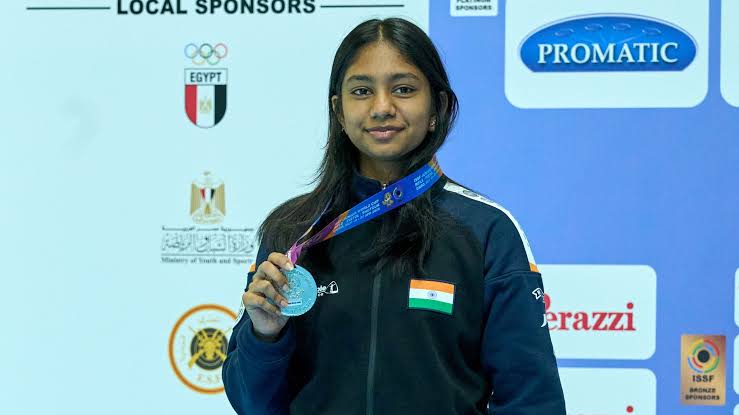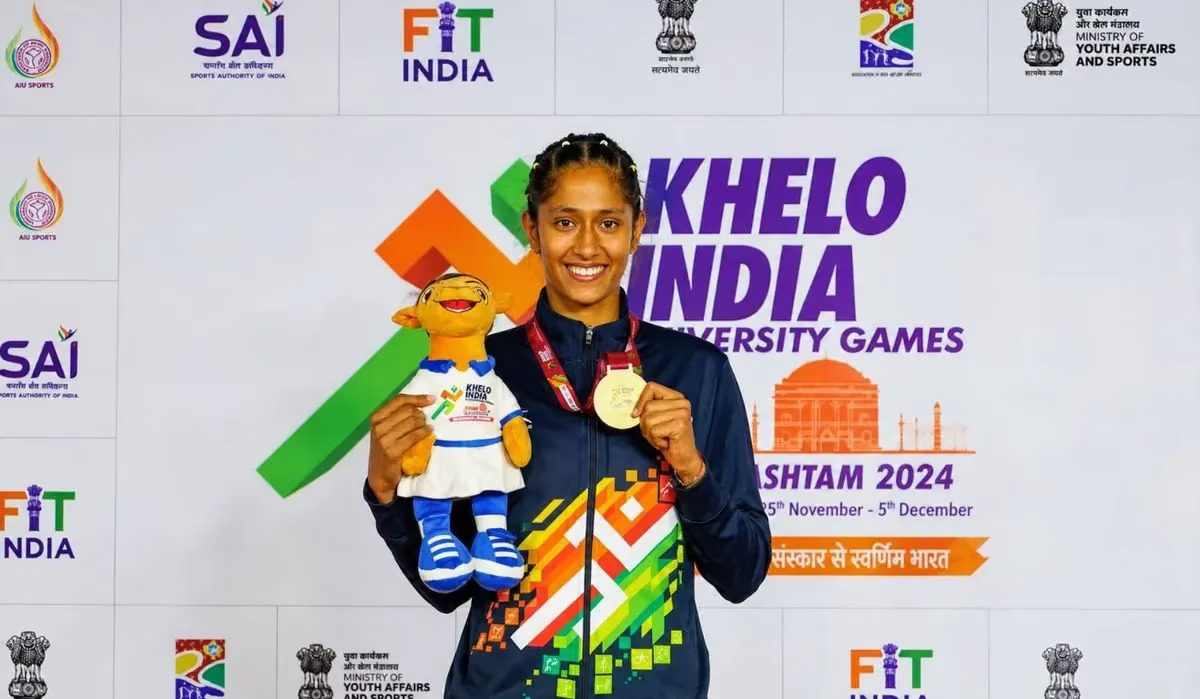
Kumkum Mohod Archery Journey and Her Rise at the Asian Games 2026
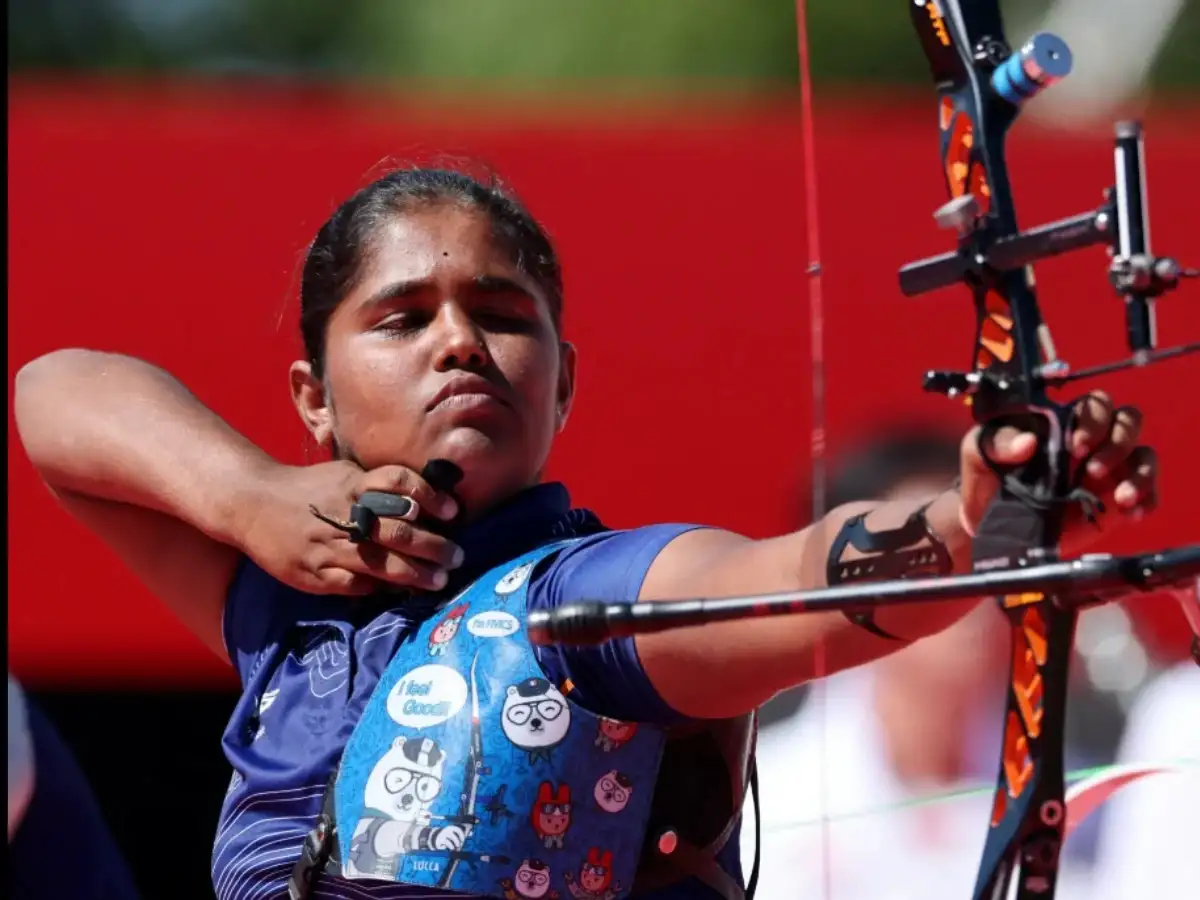
Image credits: https://share.google/Zy6tlifyF2N2RmIr9
Indian archery witnessed a historic moment at the 2026 Asian Games when 17-year-old Kumkum Anil Mohod emerged as one of the country's biggest sporting stars. Her remarkable performances in women's recurve archery, including an individual gold medal, brought India into the spotlight and marked a significant breakthrough against traditionally dominant archery nations.
The Kumkum Mohod archery journey is particularly noteworthy because of how quickly she progressed from domestic competitions to the international stage. Competing in her first Asian Games, she won three medals, including two golds and a silver. Her achievement also secured an Olympic quota place for India at the Los Angeles 2028 Games, making her a promising name in Indian archery.
Who Is Kumkum Mohod? A Look at Her Early Journey
Born on March 10, 2009, in Amravati, Maharashtra, Kumkum Anil Mohod began her archery journey at a young age. Her introduction to the sport came through a wooden bow purchased with money given to her by her grandmother. What started as an early interest soon developed into a serious sporting pursuit.
According to reports, she won a silver medal at the sub-junior national championships within six months of starting archery. This early achievement encouraged her to pursue the sport more seriously.
Her initial training journey was not without financial challenges. Her family supported her sporting ambitions despite limited resources, with her father helping manage the expenses and travel required for regular training.
Kumkum initially practised using a traditional bamboo bow before progressing to recurve archery. Her development through domestic competitions eventually earned her a place in India's senior national setup.
Kumkum Mohod's Rise in International Archery
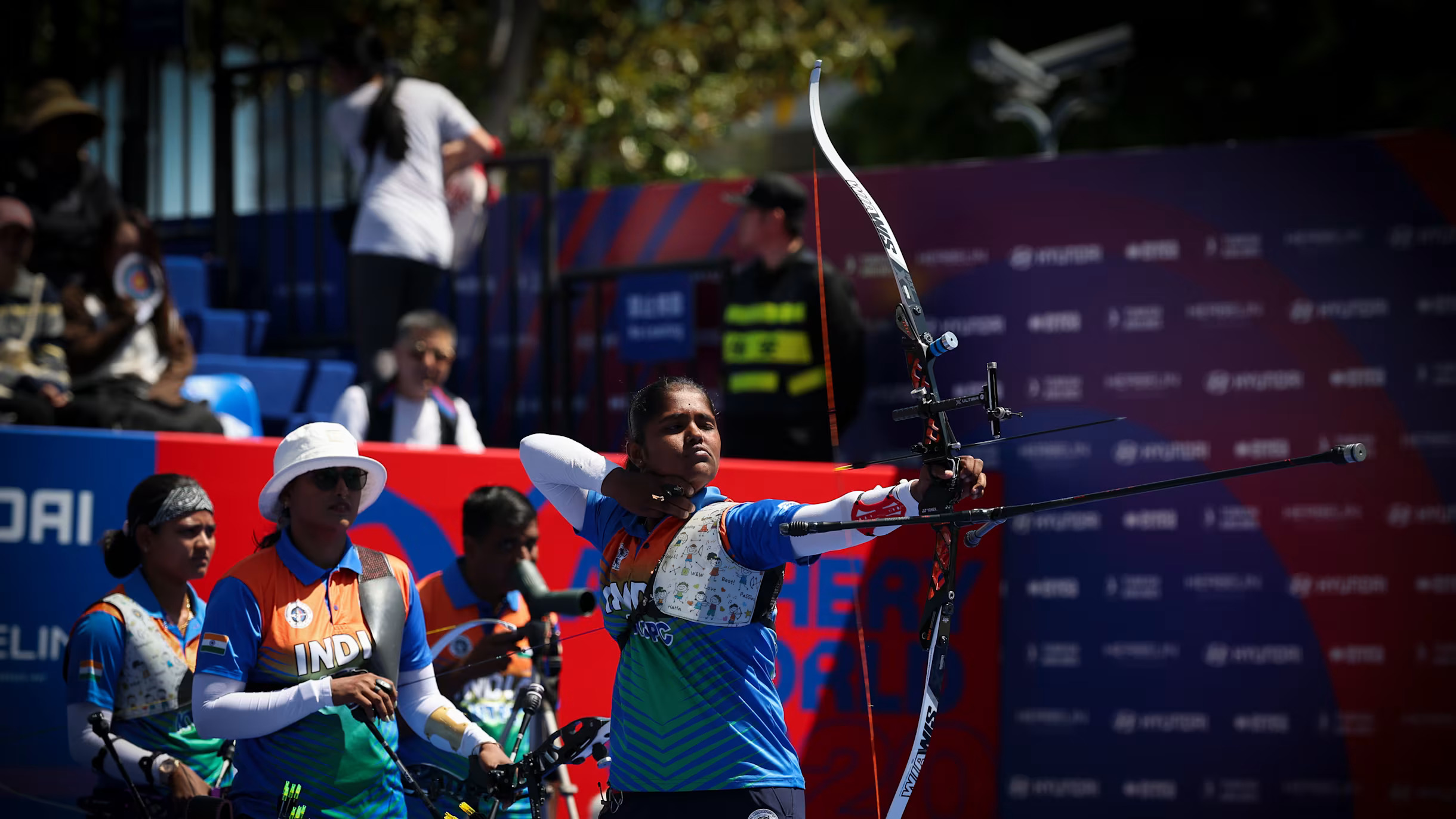
Image credits: https://share.google/ho19hDzHS9Mpdgddb
Kumkum's progress became more visible as she started competing internationally. Her international debut came in 2025, followed by notable performances on the Archery World Cup circuit in 2026.
One of her important achievements came at the Archery World Cup Stage 2 in Shanghai, where she joined Ankita Bhakat and Deepika Kumari to win the women's recurve team gold. The victory was significant for India, ending a five-year wait for a women's recurve team title at the World Cup.
She continued her international success at the World Cup Stage 3 in Antalya, where she partnered with Dhiraj Bommadevara to secure mixed-team gold.
These performances helped establish her position among India's emerging recurve archers and strengthened her prospects for the Asian Games 2026 squad.
Kumkum Mohod at Asian Games 2026: A Historic Performance
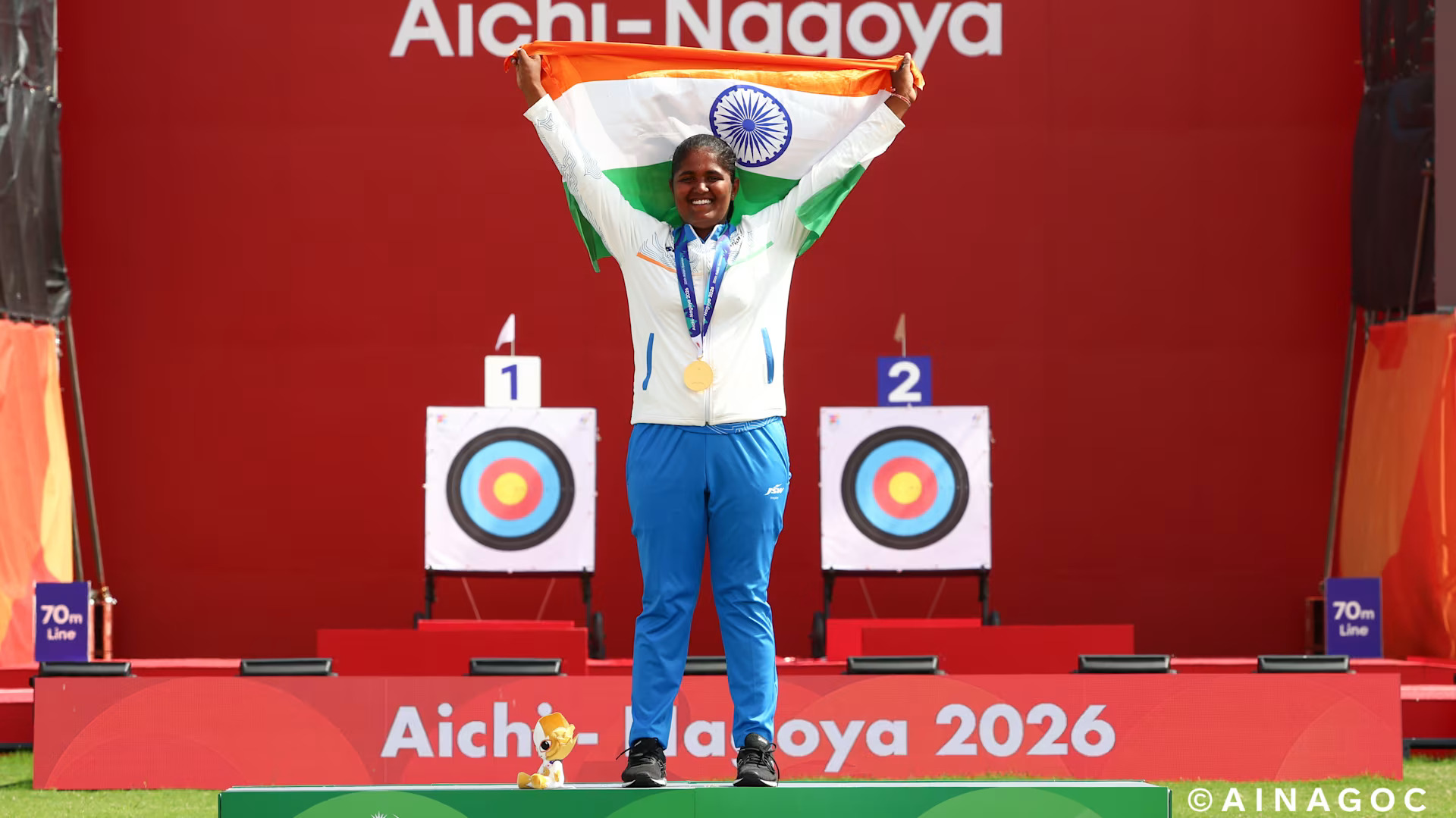
Image credits: https://share.google/jDKJWYUR7UWiJFnRG
The Asian Games 2026 became a defining chapter in Kumkum Mohod's career. Competing in her first edition of the continental sporting event, she delivered an impressive performance across three recurve events.
Her achievements included:
Women's individual recurve: Gold medal
Women's team recurve: Gold medal alongside Ankita Bhakat and Kirti Sharma
Mixed team recurve: Silver medal alongside Dhiraj Bommadevara
Her performance was particularly important because India's women's recurve team defeated South Korea in the final, ending the country's seven-consecutive-edition winning streak in the event.
This victory represented a major milestone for Indian archery and demonstrated the growing competitiveness of the Indian women's recurve team.
How Kumkum Mohod Won the Individual Gold Medal
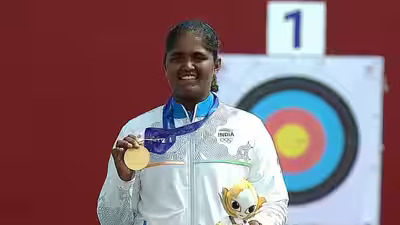
Image credits: https://share.google/5jeIo20yhgNB9d6eI
The women's individual recurve final was among the most memorable moments of the Asian Games 2026 archery competition.
Kumkum faced South Korea's Oh Yejin in the final. Both archers remained closely matched throughout the contest, eventually taking the score to 5-5 and forcing a decisive shoot-off.
Under pressure, Kumkum delivered a perfect 10, while her opponent scored an 8. This decisive shot secured her the individual gold medal.
Before reaching the final, she had also defeated South Korea's Kang Chaeyoung, the reigning world champion, in the quarter-final with a 6-4 victory. She subsequently defeated China's Jingyi Zhu 6-2 in the semi-final.
With this achievement, Kumkum became the first Indian woman to win an Asian Games individual recurve gold medal. Her victory also made her the first Indian recurve archer to achieve this milestone in the women's individual category.
What Makes Kumkum Mohod's Archery Achievements Significant?
Kumkum Mohod's achievements go beyond winning medals. Her performances represent an important development in India's international archery journey.
South Korea has traditionally dominated women's recurve archery at major international competitions. India's women's team victory in 2026 ended a remarkable seven-edition winning streak that began at the 1998 Asian Games.
Her individual gold also demonstrated India's ability to compete against established international archery champions.
At just 17, Kumkum has already achieved several significant milestones:
Two gold medals and one silver at the Asian Games 2026.
First Indian woman to win Asian Games individual recurve gold.
Women's recurve team gold at the 2026 Archery World Cup Stage 2 in Shanghai.
Mixed-team gold at the 2026 Archery World Cup Stage 3 in Antalya.
Secured an Olympic quota place for India for the Los Angeles 2028 Games.
These achievements have established her as an important emerging athlete in India's recurve archery programme.
Kumkum Mohod Olympics 2028: What Lies Ahead?
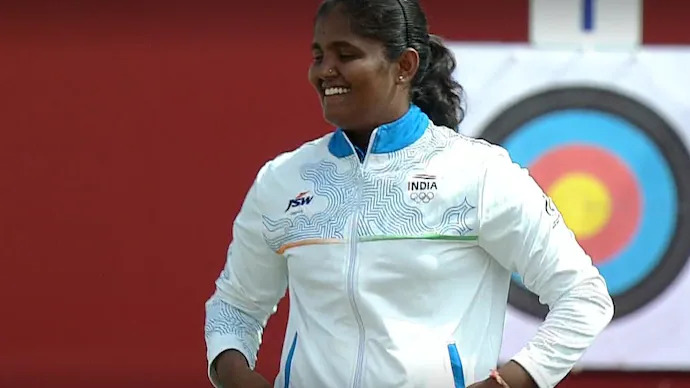
Image credits: https://share.google/nKI6bQdXadB1B7vl6
One of the most important outcomes of Kumkum's Asian Games performance was securing a quota place for India at the Los Angeles 2028 Olympics.
By reaching the individual recurve semi-final, she helped India secure one of the available Olympic quota places through the Asian Games qualification pathway.
However, it is important to understand that the quota belongs to the country rather than automatically guaranteeing a place to the athlete who secured it. India's final Olympic team selection will depend on the applicable qualification and selection process.
For Kumkum, the next phase will involve maintaining consistency, gaining experience at senior international competitions and continuing to improve her performance against leading archers.
Her Asian Games achievements provide a strong foundation as she works towards potentially representing India at the 2028 Olympics.
Conclusion
The rise of Kumkum Mohod in Indian archery reflects the impact of dedication, consistent training and opportunities to compete at the highest level. From beginning with a simple wooden bow to winning two gold medals at the Asian Games 2026, her journey has been remarkable.
Her individual recurve gold, women's team victory and Olympic quota achievement have added an important chapter to India's sporting history. As she continues her development, Kumkum will be an athlete to watch in the coming years, particularly as India prepares for the Los Angeles 2028 Olympics.
Frequently Asked Questions About Kumkum Mohod
1. Who is Kumkum Mohod in Indian archery?
Kumkum Anil Mohod is an Indian recurve archer from Amravati, Maharashtra. She gained international recognition after winning two gold medals and one silver at the Asian Games 2026, including India's first women's individual recurve gold at the event.
2. How many medals did Kumkum Mohod win at the Asian Games 2026?
Kumkum Mohod won three medals at the 2026 Asian Games: gold in women's individual recurve, gold in women's team recurve alongside Ankita Bhakat and Kirti Sharma, and silver in mixed-team recurve with Dhiraj Bommadevara.
3. Did Kumkum Mohod win an individual gold medal at the Asian Games?
Yes. Kumkum defeated South Korea's Oh Yejin in the women's individual recurve final. After the match ended 5-5, she scored a perfect 10 in the shoot-off against her opponent's 8 to secure the gold medal.
4. Has Kumkum Mohod qualified for the Olympics 2028?
Kumkum secured an Olympic quota place for India by reaching the women's individual recurve semi-final at the Asian Games 2026. However, the quota belongs to India, and her individual selection for the Los Angeles 2028 Olympics will depend on the country's final selection process.
5. What are Kumkum Mohod's major archery achievements?
Her major achievements include two gold medals and one silver at the Asian Games 2026, women's recurve team gold at the Archery World Cup Stage 2 in Shanghai, and mixed-team gold at Stage 3 in Antalya. She also became the first Indian woman to win Asian Games individual recurve gold.
6. Which archery category does Kumkum Mohod compete in?
Kumkum Mohod competes in recurve archery, an Olympic archery discipline. In this category, archers use bows with curved tips and compete by shooting arrows at a target from a distance of 70 metres in standard outdoor competitions.