
Building Better Schools | Reflections from the T360 Educators Conclave
About the Organiser and the Platform
Teacher360 (T360) is a platform focused on the professional growth and development of educators. Its work centres on strengthening teachers through professional learning, mentoring and opportunities to learn from a wider educational community.
Its flagship gathering, the T360 Educators Conclave, brings together school leaders, principals, teachers and education professionals to discuss changing needs in schools and share ideas that can contribute to better learning environments.
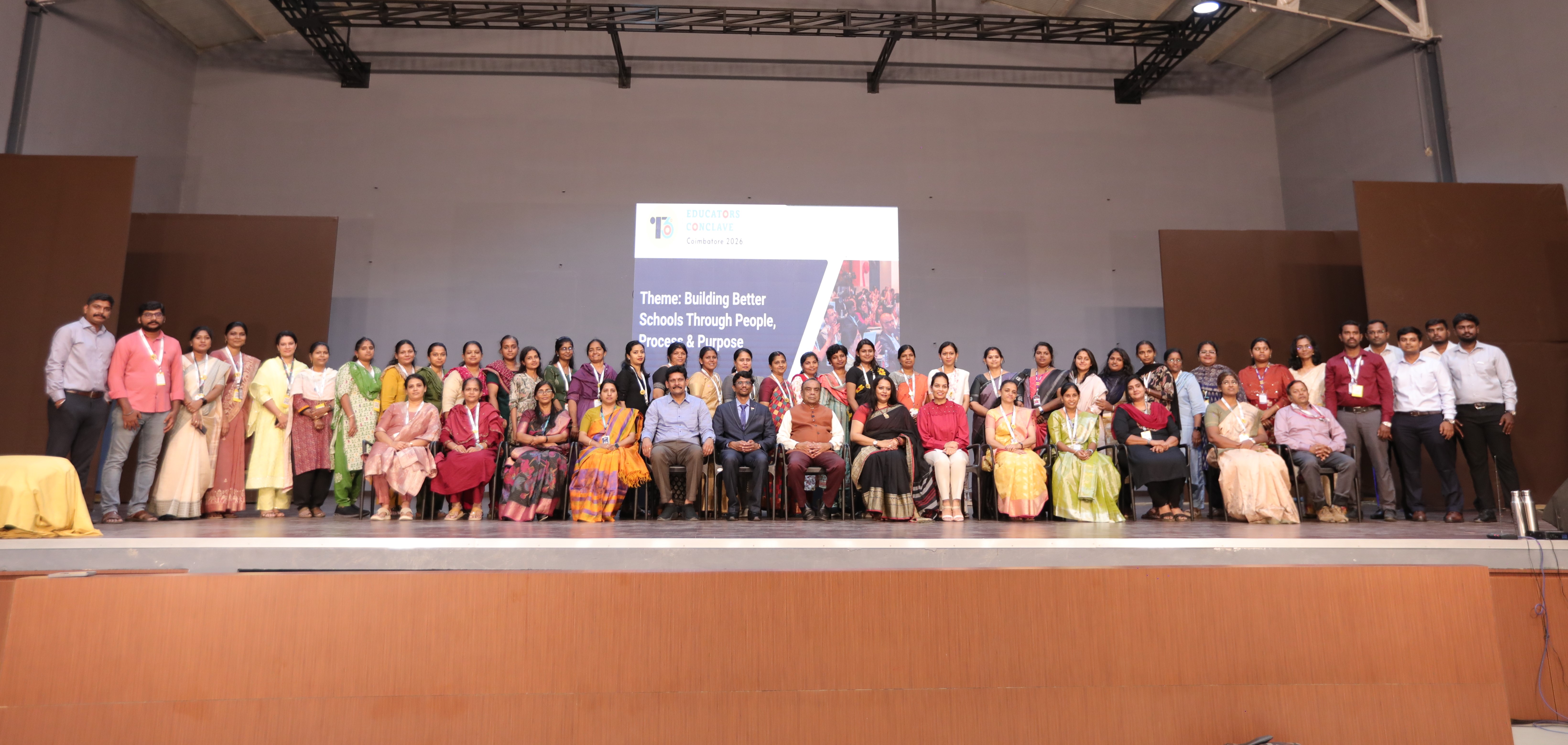
The Coimbatore edition of the conclave was held on 26 September 2026 at the Suguna PIP School Auditorium, Nehru Nagar, Kalapatti Road. The theme was “Building Better Schools Through People, Process & Purpose.” The event was presented by T360, with Teacher Tribe World and GAME (Grand Alliance for Management Excellence) as knowledge partners and Suguna PIP School as the venue partner.
The conclave brought together educators through Power Talks, Focus Talks, a panel discussion and peer exchange, creating a space to question existing practices and consider what schools need to become more future-ready.
What was T360 Educators Conclave about?
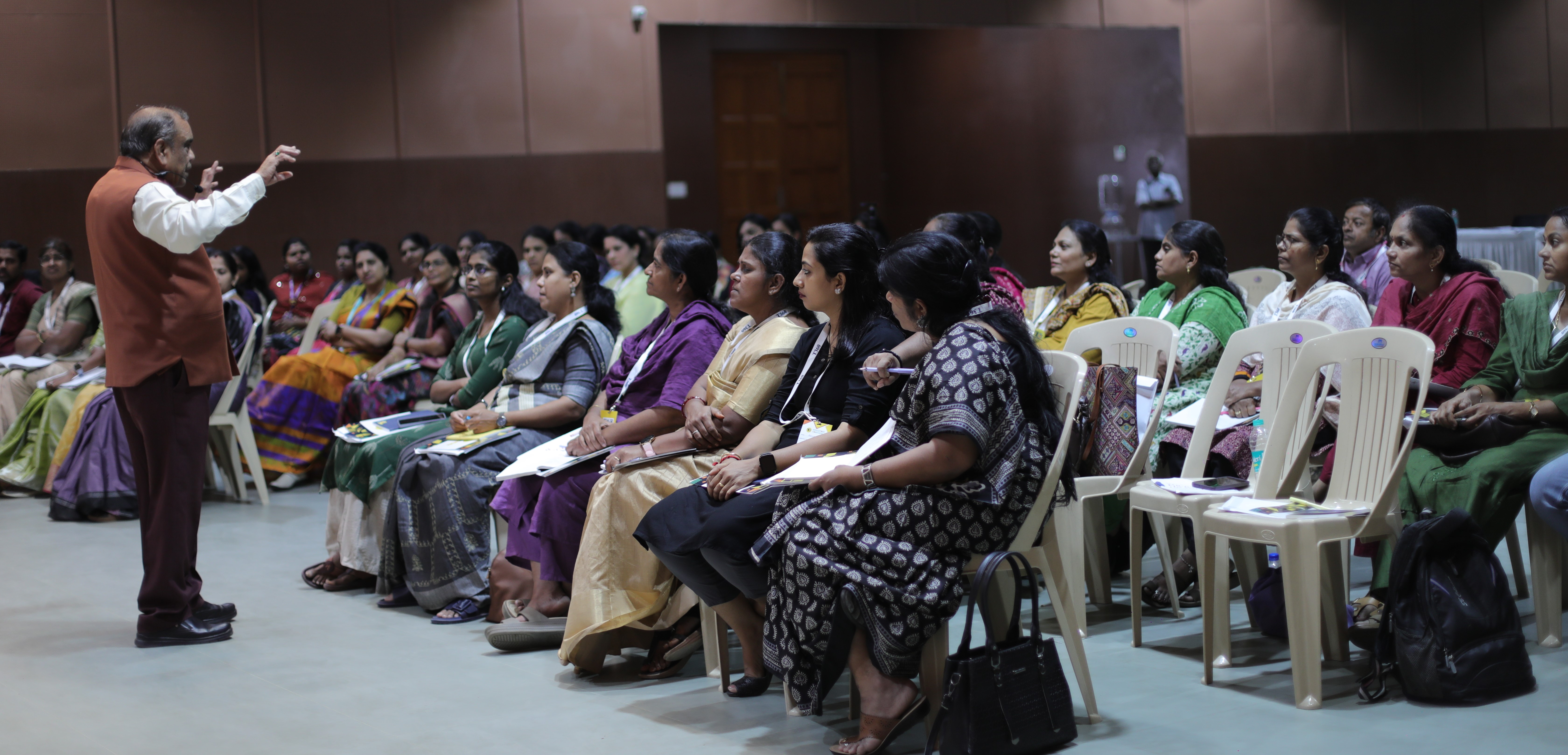
The programme included a keynote address by Ms L. Suguna, President, Suguna Group of Institutions, followed by a session led by Mr G. Balasubramanian, Leader & Mentor, Teacher360.
The question at the heart of his session was: What is the primary challenge of education in the future- people, process or purpose?
That question reflected the larger direction of the conclave. Rather than looking at technology or changing educational systems in isolation, the discussions encouraged educators to look at the people shaping schools, the processes through which learning takes place and the purpose that education ultimately serves.
Teacher360's communication around the event described this as a need to examine what truly needs to change and what must remain at the core of education.
Key Discussions from T360 Educators Conclave
One of the important questions emerging from the conclave was how schools can move beyond simply delivering information and create learning environments where students develop the ability to use what they know.
For generations, school education has largely followed a familiar pattern: students learn information from textbooks and teachers, remember it and reproduce it during examinations. Foundational knowledge remains important, but students today are entering a world in which information is available almost everywhere. The bigger challenge is therefore not simply helping children know more, but helping them think better.
Students need opportunities to question information, connect ideas, solve unfamiliar problems and arrive at their own conclusions. As technology and artificial intelligence continue to change how knowledge is accessed and used, these abilities can become increasingly important.
This does not mean that textbooks, curriculum or academic knowledge become irrelevant. Instead, it raises a different question: How can schools use knowledge as a foundation for thinking rather than as an end in itself?
How T360 Platform Can Help Teachers and Educators?
The discussions around building better schools also place greater attention on the role of educators and teachers.
Teacher360's pre-event communication described the conclave as a space for educators and school leaders to question, reflect and rethink the future of schooling.
This points towards a shift in how the teacher's role can be understood.
1. From Information Provider to Thinking Guide
Teachers can increasingly move beyond simply explaining what students need to know and create situations where students have to reason, explore and apply what they know.
A classroom can become a place where students explain their thinking, examine different possibilities and learn from mistakes rather than simply search for the correct answer.
The teacher does not become less important in this model. Instead, the role becomes more focused on guiding, questioning, observing and helping students make connections.
2. Encourage Questions, Not Just Answers
A student who can ask why, how and what if is developing a skill that extends beyond any single subject.
Questions can become starting points for exploration rather than interruptions to a lesson. Encouraging students to challenge assumptions and explain their reasoning can help develop curiosity and analytical thinking.
3. Build Skills Alongside Knowledge
Knowledge continues to form the foundation of education. But students also need opportunities to develop capabilities such as:
Critical thinking
Problem-solving
Communication
Collaboration
Creativity
Adaptability
Independent learning
The challenge for schools is therefore not necessarily to remove content, but to create stronger connections between what students learn and what they can do with it.
4. Create Learning Environments That Respond to Changing Learners
The conclave's speakers brought different perspectives to this broader question.
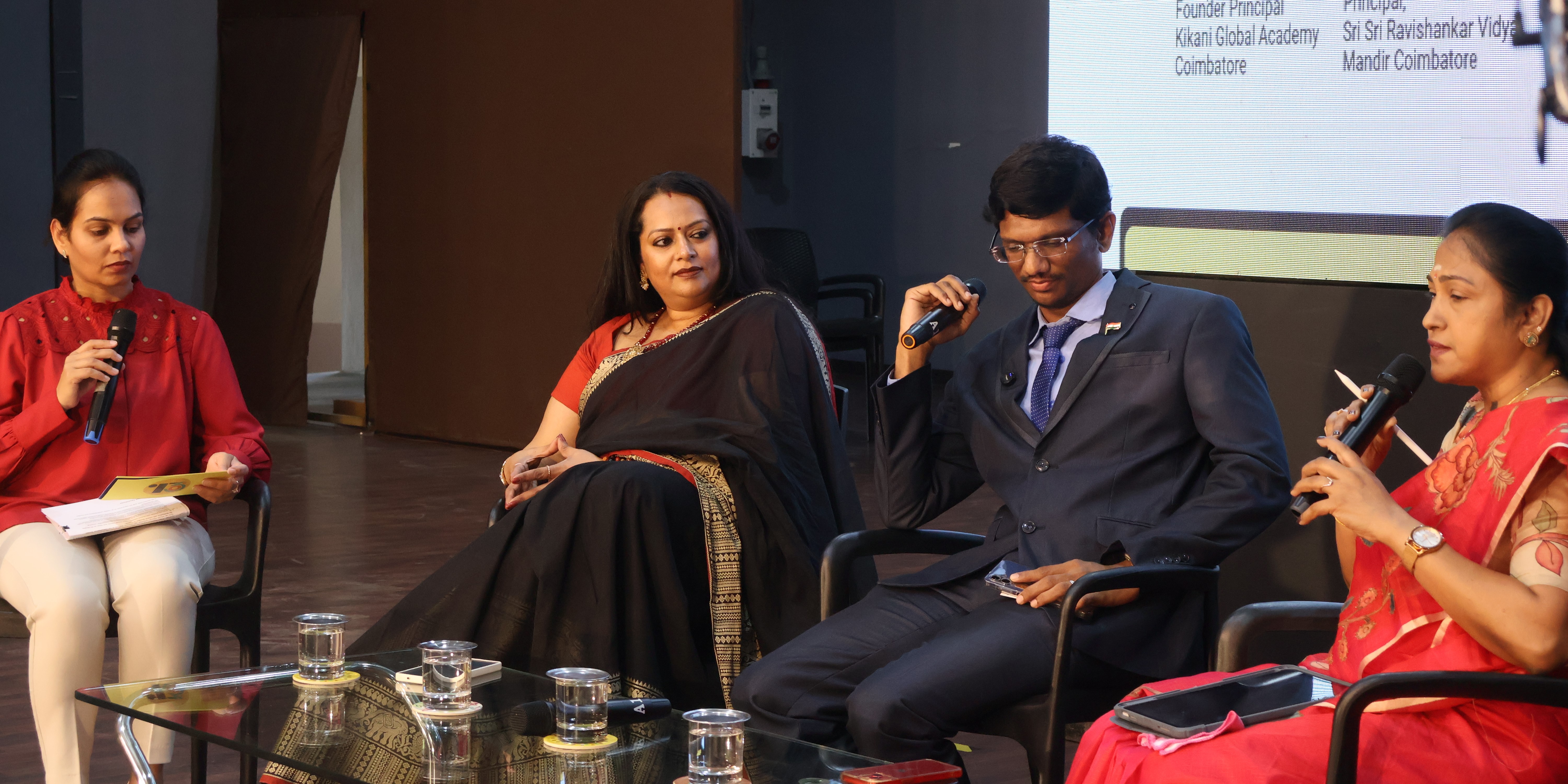
Teacher360 described Dr Pradeep S, Principal of Sri Sri Ravishankar Vidya Mandir, as bringing perspectives on learning environments that support student growth, empower educators and strengthen the purpose of schooling. Ms Shalini Nair, Founder Principal of Kikani Global Academy, was associated with the need for schools to respond to the needs of learners, educators and the wider community.
Together, these perspectives reinforce an important idea: building a better school is not only about introducing new tools or adding new activities. It also involves creating a school culture that is responsive to how students learn and to the world they are preparing to enter.
How Technology is Changing the Learning Landscape?
The future of education cannot be discussed without considering technology. However, the role of technology in education is not simply about putting more devices into classrooms. The more important question is how technology can support better learning and better teaching.
Artificial intelligence, for example, can potentially help teachers with repetitive tasks such as preparing differentiated learning materials, generating question banks and creating discussion prompts. This can give educators more time for the parts of teaching that require human judgement and interaction.
At the same time, technology should not become a shortcut that removes the need for students to think.
There is a difference between using technology to give students an answer and using it to help them explore a question. For a future-ready school, the latter approach can be particularly significant.
The Purpose Behind Creating Better Schools
The theme of the conclave: People, Process & Purpose, provides a useful framework for looking at this transition.
Teacher360 describes a school as more than its infrastructure, curriculum or systems. Its people shape it, its processes strengthen it and its purpose gives it direction. The organisation's stated objective for the Coimbatore conclave was to explore how these three dimensions can come together to create schools that are collaborative, future-ready and centred on meaningful learning.
This makes the conversation broader than simply introducing technology into education.
Technology may change how students learn. New teaching approaches may change how classrooms function. But schools still have to ask why they are educating children in the first place.
A Teacher's Role Beyond Classroom
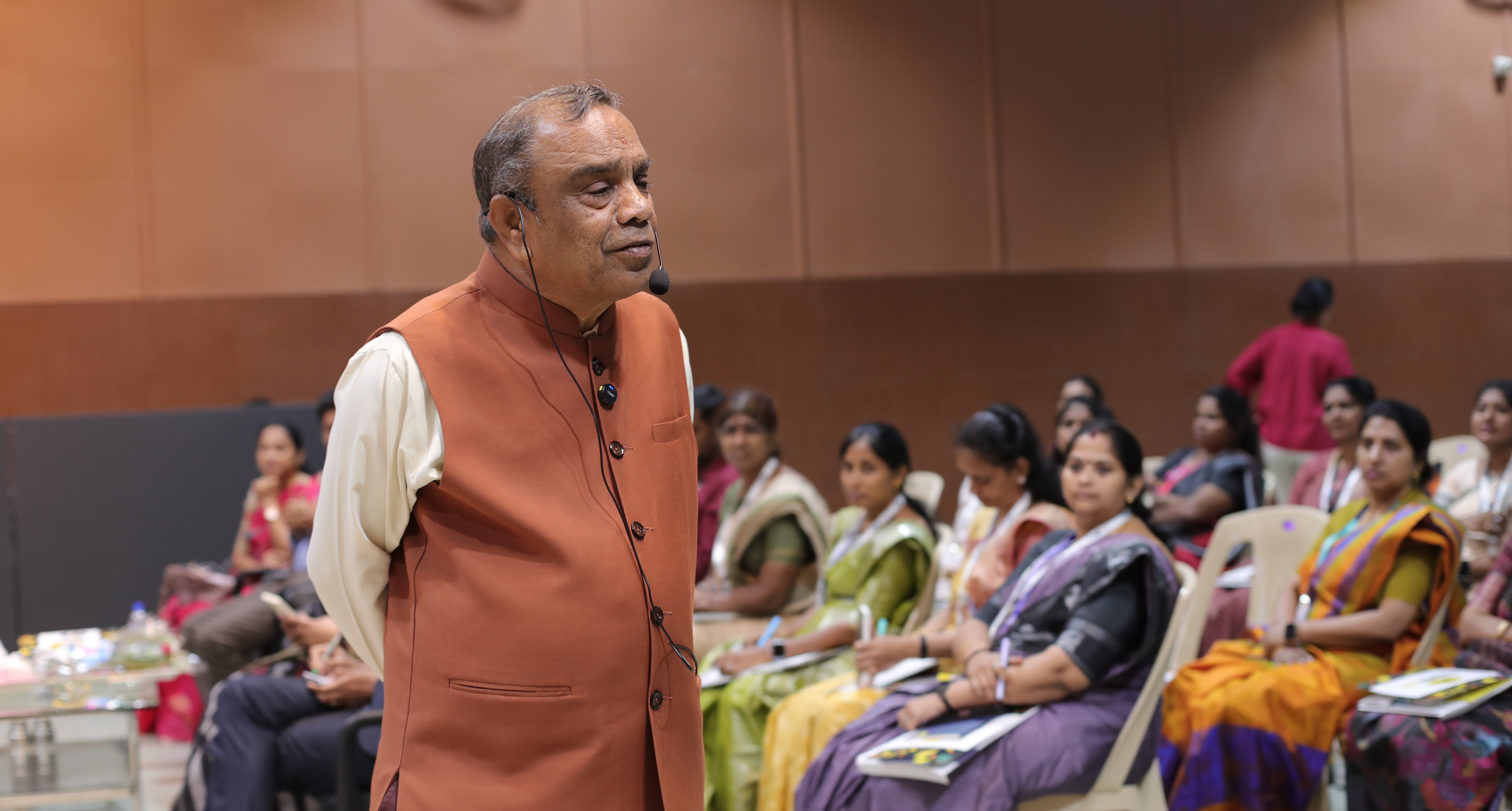
The day also included Mr Balasubramanian's session, “Teacher as an Acrobat,” which offers an apt way to look at the demands placed on educators.
Teachers today are expected to balance curriculum requirements, student needs, changing technologies, assessment expectations and the evolving demands of the classroom.
The challenge is not to abandon what already works, but to find a balance between knowledge and application, instruction and exploration, technology and human interaction.
A future-ready teacher may therefore be less concerned with having every answer and more concerned with helping students learn how to find, question and use answers responsibly.
Building Better Schools for the Future
The T360 Educators Conclave, Coimbatore 2026, brought together educators and school leaders around a question that schools will increasingly have to confront: What should education prepare children for when the world around them is changing so quickly?
The answer may not lie in choosing between textbooks and technology, or between knowledge and skills. Instead, the challenge is to bring these elements together in a way that helps students use knowledge meaningfully.
Better schools are built by people who are willing to rethink practice, processes that support meaningful learning and a purpose that keeps students at the centre.
As technology continues to reshape the way information is created, accessed and used, one of the most valuable things schools can give students may be the ability to ask better questions, think independently, adapt to change and keep learning long after the textbook has been closed.